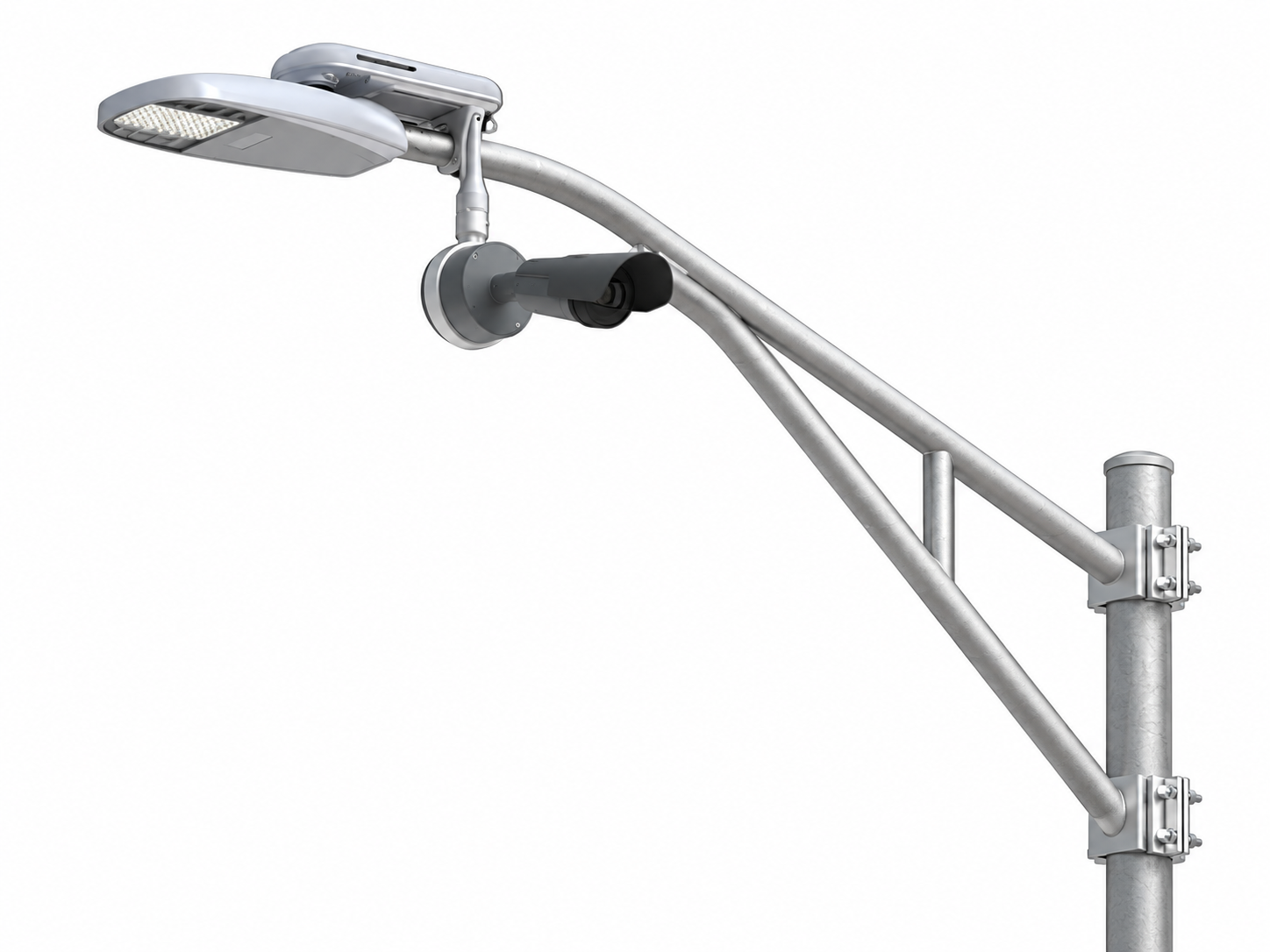
Los Angeles is taking another look at how automatic license-plate reader technology should be used—and what safeguards should be in place before a new system is deployed.
On October 20, the Los Angeles City Council’s Public Safety Committee voted to recommend a veto of LAPD’s proposed Axon automatic license-plate reader pilot program. The action follows the City Council’s earlier October 6 vote to assert jurisdiction over the proposal and pause its implementation while Council members examined it more closely.
Automatic license-plate readers, commonly called ALPRs or LPRs, are different from conventional security cameras. They can automatically identify license plates and associate those observations with a particular time and location. When large numbers of those observations are retained and searchable, they can potentially reveal patterns about where vehicles have traveled.
That capability has prompted growing questions about privacy, data retention, access and oversight.
LAPD had proposed replacing its suspended use of Flock license-plate readers with a pilot program operated through Axon. According to information released by Council District 13, LAPD proposed safeguards that included limiting which officers could search the database, reducing the length of time information would be retained and increasing auditing.
But Council members raised an important concern: those protections had not yet been formally incorporated into LAPD policy.
The issue extends beyond whether cameras can help law enforcement. It involves what information a system collects after installation, how long that information remains available, who can search it, whether outside agencies can obtain it, how searches are audited and what protections exist against inappropriate use.
Those distinctions are becoming increasingly important as camera technology becomes more sophisticated.
A traditional camera may simply record video. Other systems can add automatic license-plate recognition, searchable databases, vehicle identification, analytics and other capabilities. As technology changes, public agencies are increasingly being asked to establish the rules governing those capabilities before—not after—they are deployed.
The October 20 Public Safety Committee recommendation does not mean that Los Angeles has rejected all camera technology. Rather, it reflects an ongoing City debate over what surveillance capabilities are appropriate and what enforceable safeguards should accompany them.
The matter is contained in Los Angeles City Council File 26-1394.